Handling Risk Protection Properly
Uncover the Essential Benefits of Insurance for Fiscal Stability and Peace of Mind
Insurance is crucial in protecting against life's uncertainties. It offers a structure for economic stability, shielding you from accidents, illnesses, and property damage. Familiarizing oneself with the various types of coverage available can greatly impact one's financial stability. Moreover, choosing prudently about insurance policies guarantees that individuals and families are sufficiently ready for surprises. As the topic develops, it is apparent how these factors foster a feeling of safety and comfort.
Exploring Various Forms of Insurance Protection

While many individuals acknowledge the value of insurance, they frequently miss the wide range of policies accessible. Each type fulfills a specific role and addresses different needs. Health insurance, as an illustration, provides financial assistance for medical expenses, guaranteeing availability to essential health treatments. Car coverage safeguards against damages related to car crashes, theft, and damage, giving assurance on the road. Home insurance protects assets against risks like fire, theft, and catastrophic events, fostering a sense of security for homeowners. Additionally, a life policy provides monetary protection for beneficiaries in the event of the insured's death. Different policies, such as tenant coverage and indemnity protection, address specific scenarios that individuals may encounter in their lives. Grasping these varied choices is necessary for making informed decisions about individual fiscal safety and ensuring permanent stability.
The Importance of Insurance in Mitigating Danger
Insurance is fundamental in risk management by providing a structured approach to lessening potential financial losses. Organizations and individuals alike utilize insurance as a proactive measure to transfer risk from themselves to an insurer, thereby minimizing their exposure to unforeseen events. By analyzing potential hazards, insurance products are customized to meet specific needs, whether it be property damage, liability, or health-related issues.
In handling risk, insurance acts as a fiscal safeguard. This allows companies and people to recover from negative events without facing massive financial strain. Additionally, the known cost of coverage enables improved financial forecasting and budgeting. By integrating insurance into an all-encompassing strategy for managing risk, organizations can concentrate on growth and development, assured that they are shielded against potential setbacks. In conclusion, the function of coverage in managing risk promotes stability, guaranteeing security in the face of uncertainty.
Financial Protection for You and Your Family
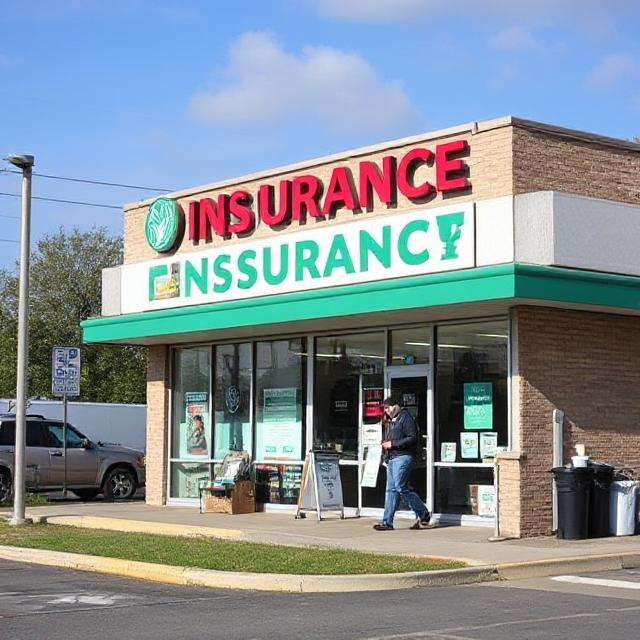
When families prioritize financial protection, they build a protective shield that safeguards their loved ones against unpredictable problems. Coverage is crucial in this effort, offering various policies that shield families from substantial financial burdens caused by accidents, illnesses, or unexpected events. Health insurance, for instance, covers medical expenses, making certain that families are able to get essential treatment without bankrupting their savings.
Life policies give further security by providing monetary compensation to recipients if the policyholder passes away, enabling families to keep their current lifestyle. Renters or homeowners policies shield against property damage or loss, adding another layer of financial security for the family.
Achieving Peace of Mind with Extensive Protection
Extensive coverage offers families a strong structure for protecting their financial health, increasing the sense of security that comes from being certain that they are ready for a range of possible dangers. Having robust insurance plans, people are able to handle life’s unpredictable moments without the stress of potential surprise bills. This feeling of safety enables families to concentrate on their everyday routines, promoting greater happiness and stronger bonds.
Furthermore, comprehensive protection typically involves various aspects such as health, property, and liability protection, which together help create a more secure financial outlook. When families feel secure that their coverage is sufficient, they are more likely to pursue opportunities, such as homeownership or educational advancements, without the risk of jeopardizing their investments due to unforeseen circumstances. In the end, the confidence offered by comprehensive protection empowers families to live fully, assured that a protective framework is established for the uncertain times life brings.
How to Select Insurance Coverage with Confidence
How can people ensure they select the optimal options when deciding on policies? To determine this, extensive investigation is essential. Consumers should start by assessing their unique requirements and monetary standing, which helps them to figure out the kind of coverage needed. Reviewing various insurance carriers is crucial, as it highlights differences in rates, excess amounts, and benefit caps. Additionally, reading customer reviews and reviewing unbiased rankings offers clarity regarding the dependability of carriers.
Grasping the policy language is likewise essential; policyholders should comprehend what is covered and the specific caveats to prevent future unexpected issues. Engaging with licensed insurance agents can help explain complex options and aid in adjusting plans to suit individual situations. Ultimately, making informed decisions about insurance policies involves careful consideration of options, meticulous investigation, and understanding individual necessities, leading to the best safeguard and financial security.
FAQs
What Causes Insurance Rates to Differ Based on Perceived Risks?
Policy costs differ based on risk factors such as age, health, location, and claims history. Higher perceived risks usually lead to increased premiums, while minimal hazards often provide savings and more favorable rates for policyholders.
Can I Change My Insurance Coverage Mid-Policy?
Yes, individuals can change their insurance coverage during the policy term. But, modifications could influence premiums and need the copyright's authorization. It is best to check the policy terms and consult with an insurance representative for guidance.
What is the Consequence of Missing a Premium Payment?
In the event a payment is not made, the policyholder may face a grace period to make the payment. Not paying could lead to policy cancellation, termination of benefits, and problems securing future coverage.
Do Certain Types of Insurance Offer Tax Advantages for Having Specific Coverage Types?
Yes, certain types of insurance, such as health and long-term care insurance, might yield tax savings. The payments may sometimes be subtracted from taxable income, helping create monetary advantages and savings opportunities for clients.
How Does Claims Processes Vary Across Insurance Companies?

Claims processes vary greatly across insurance companies, with some requiring extensive documentation and some others offering easy online filing. Speed, customer service, and openness also change, impacting the entire experience for explore now insured parties during a claim.